Practical and easy ways to reduce stress, calm your mind, quiet overthinking, stop racing thoughts, and regulate your nervous system naturally.
Stress shows up differently for different people. Some feel it mostly in the body, as tension, fatigue, headaches, discomfort, or restlessness. Others experience it in their thinking and it shows up as feeling emotionally drained, fearful, or hopeless, with racing thoughts, difficulty concentrating, overthinking, and a constant sense of worry. Many people experience both the physical and emotional effects of stress, often at the same time.
This page is organized around those patterns. Each section covers what is actually happening and effective ways to help lower stress. You’ll find free resources here you can use right away to begin feeling calmer, clearer, and more in control.
Jump to...
When Stress Becomes a Pattern
How to change the way you respond to stress instead of just managing the symptoms
"I feel like myself again and am a functional person, not one hitting the panic button often."
Stress In The Body
Tension, tight muscles, and a nervous system stuck on alert
Not everyone notices stress in their thinking first. For a lot of people it shows up in the body before they've even registered that something is wrong. It’s the tightness in the neck and shoulders, the jaw that's been clenched all day, the low-level tension that you’ve been carrying, and that feeling like you’ve been holding your breath.
This happens because stress activates the nervous system's fight-or-flight response, which prepares the body to deal with a threat. That response is useful in the short term. It becomes a problem when stress becomes ongoing without a chance to decompress, so the body can stay partially activated even when the original pressure has passed. The muscles don't fully release. The breathing doesn't fully slow. The nervous system stays on alert because it thinks that's where it needs to be.
Abdominal breathing is one of the most effective natural ways to interrupt that response. When you slow and deepen the breath deliberately, you send a signal through the vagus nerve to the parasympathetic nervous system. The body begins to follow. Tension starts to release. The nervous system gets the message that it's safe to stand down.
It's a small thing that works because it's working with the physiology directly, not around it. The Guide to Abdominal Breathing for Lowering Stress and Calming the Nervous System below is free and walks you through the technique step by step so you have it ready the next time you feel the stress building.
Overthinking and Racing Thoughts
How to quiet a mind that won't slow down
When stress shows up as overthinking, the mind gets caught in a loop. It replays conversations, runs through worst-case scenarios, and jumps from one concern to the next. Even when you recognize what's happening, stopping it isn't as simple as deciding to think about something else.
There's a reason for that. Under stress, the brain shifts into a pattern of continuous scanning, looking ahead for potential problems and reviewing the past for things that went wrong. This is a protective response, not a character flaw. The mind on high-alert is expecting another threat so it keeps running the same loop on autopilot.
Here’s a simple way to interrupt racing thoughts: Leaves on a Stream
Each thought creates an awareness of another thought. Without practice, we end up following each one, becoming distracted, enmeshed, or trapped by the thoughts before we've noticed it happening. The practice of imagining your thoughts like leaves on a stream can help you avoid being carried away by a thought, and create some space between you and your thoughts.
Take a nice easy breath and let your eyes soften or close if it’s safe to do so as you imagine you are viewing your thoughts like leaves floating down a stream. The stream is just flowing along, and you're on the bank of the stream in a place where you can just observe.
Notice that as the leaves fall into the stream and land on the water, they are carried down the stream by the current. New winds cause new leaves to fall. As they fall, just watch them as they float down the stream.
Your thoughts are a lot like leaves that fall into a stream. And sometimes there seems to be an endless supply of leaves. Though, the leaves just float and move on. Imagine your thoughts like this, so that each new thought is a new leaf entering the stream of thought. Watch each thought as it floats through the mind, and then notice the next new thought. Notice each thing you are thinking as it comes, without becoming enmeshed in it or trapped by the thought.
Anytime you find yourself getting caught up in a thought, or pulled downstream with it, simply return to the bank of the stream where you can just observe. They are, after all, only thoughts.
Sudden Stress Spikes
What to do when stress rises quickly
Sometimes stress doesn't build gradually. It jumps. A difficult conversation, an unexpected problem, a deadline that just moved up, and suddenly the body is in it. Heart rate up. Muscles tight. Mind accelerating through everything that could go wrong.
The brain doesn't always distinguish well between a physical threat and a brutal week at work, a hard conversation with someone you love, or a situation that feels out of your control. The body responds the same way regardless.
When stress spikes suddenly, the most effective thing you can do is give the nervous system a clear signal that you are grounded and safe in this moment. The mind will follow whatever you’re focused on, so shifting your attention tends to work better than trying to reason your way out of it.
The Three Nervous System Resets for Rapid Stress Relief below are simple techniques designed specifically for these moments. Each one gives the body something concrete to work with so you can begin to feel calmer and clearer. Get the full free guide below.
Stress and Sleep
When stress keeps you awake or wakes you up at night
For a lot of people, nighttime is when stress becomes most difficult to ignore. The demands of the day fall away, the room gets quiet, and the mind takes that as an invitation to start working through everything it has been holding onto.
This isn't random. During the day, activity and external demands keep attention moving outward. At night, with nothing competing for attention, the nervous system turns inward. If it has been carrying unresolved tension, that's when it surfaces.
There are two patterns worth separating. The first is difficulty falling asleep, where the mind is too active to allow the transition into rest. The second is waking in the night or early morning with a low-level sense of dread that's hard to trace to anything specific. Morning stress and tension in particular is common and has a physiological basis. Cortisol levels are naturally higher in the early morning hours, which can amplify the feeling before the day has even started.
Both patterns respond to the same approach: helping the mind and body shift out of that activated state before sleep.
Progressive muscle relaxation is one of the most reliable tools for this. Begin with a few easy, deep breaths. Then, starting with the feet and moving slowly up through the body, bring your attention to each area in turn and allow yourself to notice that, as you focus on each part of the body, it begins to feel heavier with every breath you exhale. The feet, the calves, the thighs, the stomach, the hands, the arms, the shoulders. By the time you reach the face, most people find the body has settled considerably. End with the eyelids, noticing how heavy they feel, and how that heaviness makes it easier to simply let them stay closed.
The physical focus of the exercise does something important. It gives the mind a neutral anchor to return to if thoughts start pushing back in. If you notice them, simply return your attention to the body.
When Stress Becomes a Pattern
How to change the way you respond to stress instead of just managing the symptoms
When stress becomes persistent, it can be hard to know what to do. The usual strategies still help. But the relief tends to be temporary. The tension comes back, the thoughts start up again, and the nervous system returns to that familiar state of low-level alert.
That's not a failure of the strategies. It's a signal that the pattern runs deeper than the surface.
Stress responses are learned over time, shaped by our experiences. The nervous system becomes conditioned to react in certain ways to certain triggers, and it will continue reacting that way automatically until something changes at the level where those responses are formed. This is why you can understand intellectually that a situation is manageable and still feel the tension rise when it comes up. Understanding and response are operating on different tracks.
Over time, as stress accumulates, the baseline rises. It takes less and less to trigger the response, it gets activated more frequently, and the nervous system has less room to recover. Chronically elevated cortisol levels make it harder for the body to fully come down between stressors, which is part of why persistent stress can feel so physically exhausting.
Some signs that stress has become a pattern:
Constant fatigue that sleep doesn't fully resolve
Headaches and persistent muscle tension, especially in the neck and shoulders
Difficulty falling asleep, staying asleep, or waking unrefreshed
Trouble concentrating or remembering things clearly
Digestive issues that come and go with your stress levels
Irritability that feels out of proportion to what's happening
A persistent sense of emotional depletion or burnout, even when nothing specific has changed
These aren't just reactions to current circumstances. They're signs that the nervous system has learned to stay activated, and that it's time to begin treating stress differently.
That's where the recording below can help. The 15-Minute De-Stress hypnosis session works directly with the nervous system to interrupt the stress cycle, release accumulated tension, and give the mind and body a chance to reset.
How Hypnosis Helps With Stress
Why stress keeps coming back, and what to do about it
The tools on this page work. Sometimes they're all you need. And sometimes it feels like the stress just won't quit. That's when a different kind of help makes sense.
Most approaches to managing stress work at the level of the symptom. They help you respond better in the moment. But the underlying pattern, the way your nervous system has learned to respond to pressure, stays the same.
Here is what is actually happening underneath that. Stress responses are formed and stored in the subconscious mind, based on accumulated experience. The subconscious chooses those responses automatically, and it will keep choosing them until it has something better to work with. This is why willpower, positive thinking, and even good self-care can only go so far. They work with the conscious mind. The responses driving the stress cycle are running much deeper than that.
Hypnosis works with the subconscious mind, at the level where those responses are formed. In a focused state of attention, the subconscious becomes more receptive to new information. Old stress patterns can be examined and released, built up tension begins to clear, and the nervous system can be retrained to respond differently to the triggers that used to send it straight into overdrive.
Hypnosis works with your subconscious mind to create real and lasting changes to how you respond in stressful situations in a way that surface coping strategies cannot. Life continues to happen, the same situations come up, the same pressures exist. And you find that you move through them differently, more easily, more present, and with a greater sense of calm and confidence.
Get All Three Free Resources
Practical tools for lowering stress, yours to keep
The three resources on this page are available together as a free bundle. They cover the most common ways stress shows up and give you something concrete to work with in each situation.
Guide to Abdominal Breathing for Lowering Stress and Calming the Nervous System A step-by-step guide to using abdominal breathing to release physical tension, calm the nervous system, and lower stress in the moment.
Three Nervous System Resets for Rapid Stress Relief Simple techniques for moments when stress rises quickly and you need your nervous system to stand down fast.
15-Minute De-Stress Hypnosis Recording A short guided session that works directly with your nervous system to interrupt the stress cycle, release accumulated tension, and help you reset.
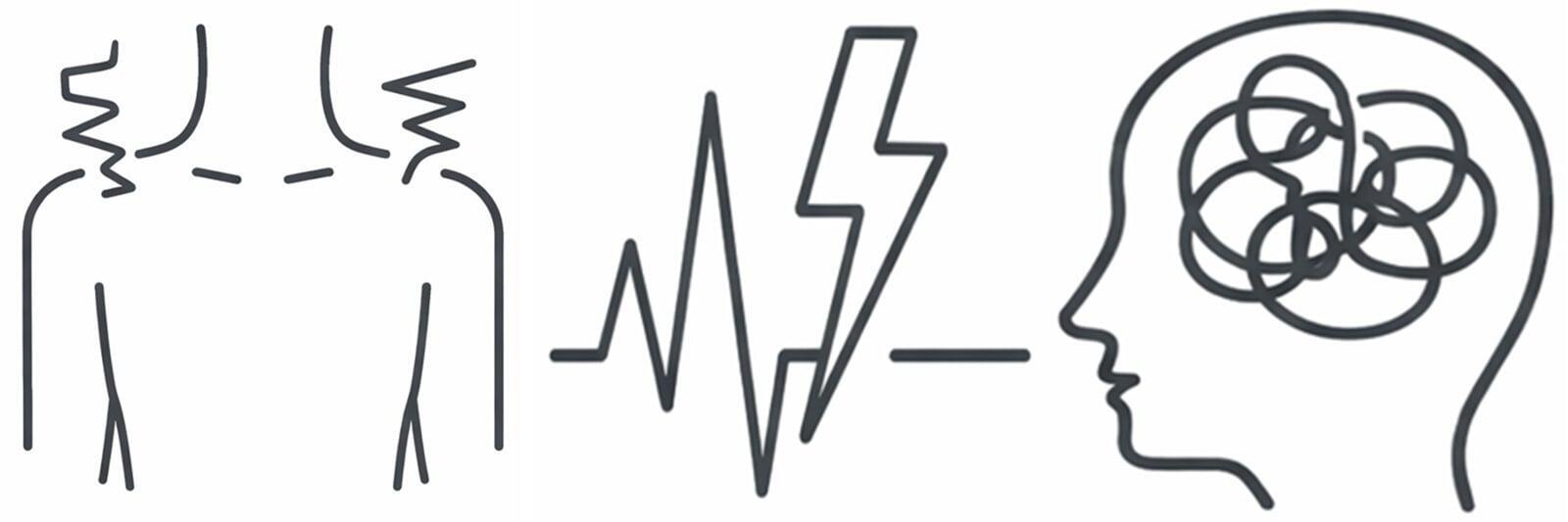
Together these tools give you practical ways to begin lowering stress whether it shows up in your body, your thoughts, or in sudden moments of overwhelm.

About Karen Gray
Certified Clinical Hypnotist, Certified Hypnosis Instructor, Retired Registered Nurse
I have been working with people who struggle with stress since I founded Green Mountain Hypnosis in 2016. Before that I spent more than a decade as a registered nurse, where I developed a deep understanding of what sustained stress does to the mind and the body over time.
Stress is one of the most common things people come to me for, and one of the most rewarding to work with. When the underlying patterns are resolved rather than just managed, the changes people experience can be profound and lasting in a way that other approaches often are not.
I see clients in personalized, online sessions, so we can work together from wherever you are in the US.
What My Clients Have Said
"Thank you, thank you, for teaching me how to manage my body using my mind. It has made such a difference in my stress level and my physical issues. You have created a convert."
“The experience was beneficial, and I particularly liked it because I saw results immediately, which I had not had in other methods I have tried.”
“I have tried traditional psychotherapy, a variety of medications, and self-help books in the past to manage my stress, with limited success. Hypnosis has offered me the most profound and lasting change to date.”
"It has been helpful in relieving stress and anxiety and shifting thought patterns. Hypnosis provides immediate relief and lasts."